Matching Exterior Design to Historic Property Architecture

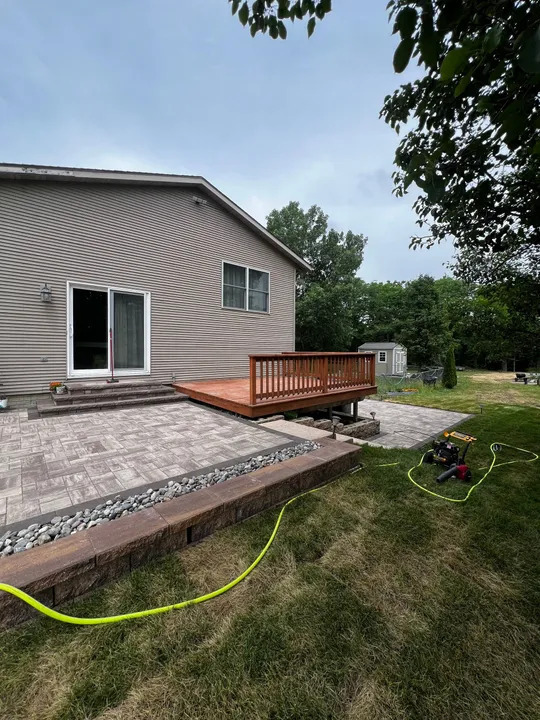
Purchasing a period home brings a unique set of responsibilities, particularly when it comes time to update the exterior grounds. The detailed brickwork, traditional rooflines, and classic proportions of an older property demand a high level of respect during any renovation project. Introducing highly modern, slick materials into a heritage setting often results in a jarring visual clash that cheapens the look of the entire estate. The challenge lies in providing the homeowners with functional, modern exterior spaces—like large dining patios and efficient drainage systems—without disrupting the historical narrative of the house itself. Every new addition must look as though it has belonged there for a century.
Achieving this delicate balance during projects involving Hardscaping And Landscaping In Adel, IA relies heavily on meticulous material sourcing. You cannot use brightly coloured, factory-stamped concrete pavers next to a home built in the nineteen twenties. Instead, the focus shifts to reclaimed brick, naturally weathered flagstone, and aged bluestone. These materials carry an inherent texture and muted colour palette that perfectly matches the faded masonry of older buildings. When constructing new retaining walls or seating areas, using mortar techniques that mimic historical building practices ensures the new construction blends quietly into the background rather than screaming for attention.
The geometric layout of the garden must also take cues directly from the era of the home. A Victorian-era house typically benefits from a highly formal, symmetrical garden structure, featuring straight brick pathways intersecting at right angles and sharply defined planting beds. Conversely, a mid-century cottage looks best with softer, sweeping curves and less rigid boundaries. Imposing a highly asymmetrical, ultra-modern layout onto a strictly formal period home creates a sense of profound visual confusion. The lines drawn on the ground must echo the architectural lines drawn by the original builder.
Planting schemes for heritage properties require a deep understanding of historical botany. While we want to incorporate drought-tolerant and disease-resistant modern cultivars for practicality, the visual presentation should reflect the original era. Filling the borders with classic varieties like climbing roses, hydrangeas, and traditional boxwood hedging maintains the authentic atmosphere of the period. We group these plants closely together to create the dense, lush appearance characteristic of older estate gardens, actively avoiding the sparse, minimalist planting style favoured in contemporary design.
Hidden beneath this traditional surface, however, is an array of highly modern engineering. Older homes are notoriously vulnerable to water damage due to degraded foundations and poor original grading. When we pull up the soil to lay a reclaimed brick pathway, we simultaneously install state-of-the-art subsurface drainage pipes and heavy-duty catch basins. We correct the slope of the land to pull heavy rainfall aggressively away from the fragile foundation walls. The homeowner receives all the protection of a modern water management system, completely hidden out of sight beneath an historically accurate, beautiful exterior.
The transitions between the indoor rooms and the outdoor spaces require careful detailing. We often construct raised stone terraces that align perfectly with the original rear doors, allowing a smooth, level walk outside. By using stone steps with traditional bullnose edges and wrought-iron railings forged to match the existing house hardware, the transition feels deliberate and natural. Respecting the history of the property does not mean sacrificing modern usability; it simply means applying modern solutions with a strictly traditional vocabulary.
Conclusion
Updating the grounds of a heritage property requires an exact blend of historical sensitivity and modern engineering. By carefully sourcing weathered materials and respecting the original architectural geometry, new additions feel entirely authentic to the home. This disciplined approach delivers highly functional outdoor living spaces while preserving the unique character and charm of the period architecture.
Call to Action
Ensure your exterior upgrades respect the history and architecture of your classic home. Connect with our specialists today to plan a beautiful, period-appropriate transformation for your grounds.
